The PATH to a Trafficking- and Smuggling-free Curaçao
PATH coordinates all matters related to human trafficking and smuggling, from raising awareness to implementing legislative changes and conducting on-site spot checks when necessary.
Prevenshon di Abusu i Trafikashon di hende




WHAT IS HUMAN TRAFFICKING?
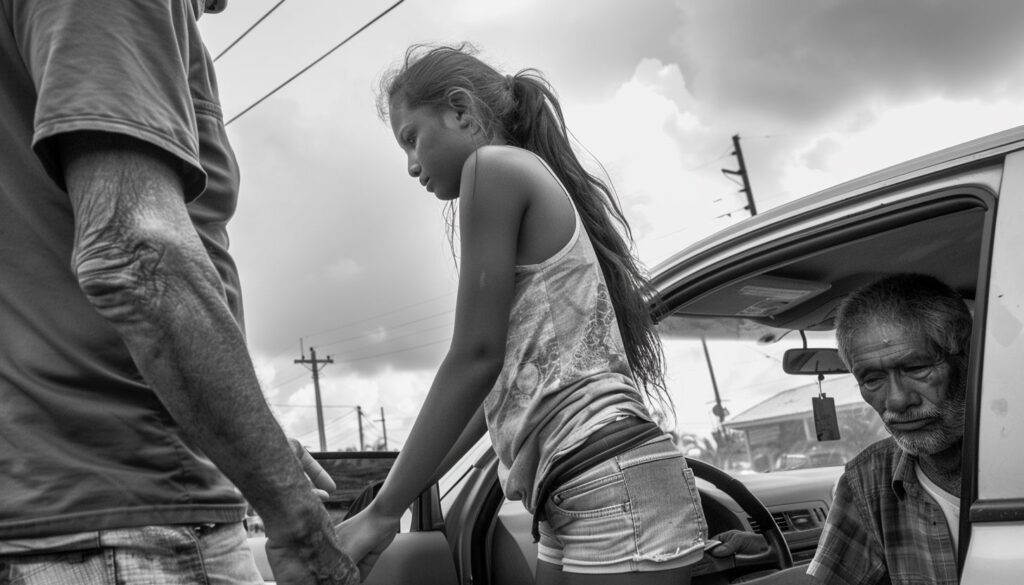
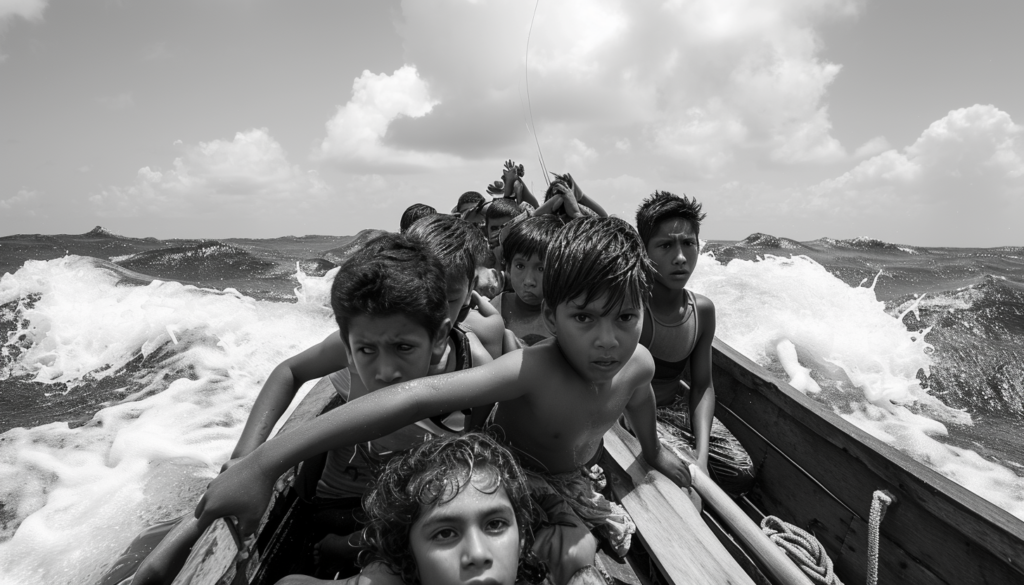
Human trafficking uses force, fraud, or coercion for labor or commercial sex. Millions, including in Curaçao, are trafficked annually across all communities, affecting individuals of any age, race, gender, or nationality. Traffickers often employ violence, deceit, or fake promises of lucrative jobs or relationships to ensnare victims.
What are the signs of human trafficking?
Human trafficking signs include physical, behavioral, and situational indicators. Recognize and act to help victims and combat this grave human rights violation.
Physical Signs
Appearing malnourished
Showing signs of physical injuries and abuse
Poor physical health
Tattoos/branding on the neck and/or lower back
Behavioral Signs
Avoiding eye contact, social interaction, and authority figures/law enforcement
Seeming to adhere to scripted or rehearsed responses in social interaction
Lacking official identification documents
Appearing destitute/lacking personal possessions
Working excessively long hours
Not allowing people to go into public alone, or speak for themselves
Situational Signs
Living at place of employment
Checking into hotels/motels with older males, and referring to those males as boyfriend or 'daddy', which is often street slang for pimp
Security measures that appear to keep people inside an establishment - barbed wire inside of a fence, bars covering the insides of windows
Our mission is to combat human trafficking by raising awareness, supporting victims, and providing pathways to freedom and recovery.
In partnership with




















CONTACT AUTHORITIES
Your voice matters. Whether you have a question, need support, or want to join the fight against human trafficking, there are many institutions that can help.

National Coordinator
National Coordinator Trafficking in Persons and Smuggling of Migrants - Available 24/7.
National Rapporteur
Trafficking in Persons and Smuggling of Migrants
Police
Local police forces (Law enforcement services and support) - Available 24/7.
Ministry of Justice
Executive Organization for Judicial Care (Victim Support Services) - Available 24/7.
CALL NOW - 108
VIDEO
 English
  Papiamentu